Before heat pipes became a standard feature in CPU coolers, they were used in aerospace. Before they were used in aerospace, they were studied in classified labs. And before they ever reached a retail shelf, Cooler Master put them into a consumer product.
Since 2000, we’ve been at the forefront of heat pipe innovation pushing performance, rethinking internal structures, and turning experimental designs into retail-ready technology. What began with a single copper tube has evolved into today’s superconductive composite heat pipes, setting new standards for cooling efficiency.
This is the story of how Cooler Master helped bring heat pipes to the PC world and how we continue to push their limits.
2000: The First Retail CPU Cooler with a Heat Pipe
In 2000, Cooler Master launched the CHK-5K11, the first commercially available CPU air cooler to feature heat pipe technology.
The design was modest by today’s standards: a single copper heat pipe paired with a 50x10mm fan and aluminum fins. But it was groundbreaking. While heat pipes had already seen limited use in industrial electronics and devices like the Sega Dreamcast, no PC cooling company had yet brought them to the retail CPU market.
It wasn’t about flashy performance. It was about proving the concept worked and laying the foundation for an entirely new generation of coolers. From that moment, heat pipes began their steady march into mainstream PC design.
2008: Vapor Chamber Meets Heat Pipe
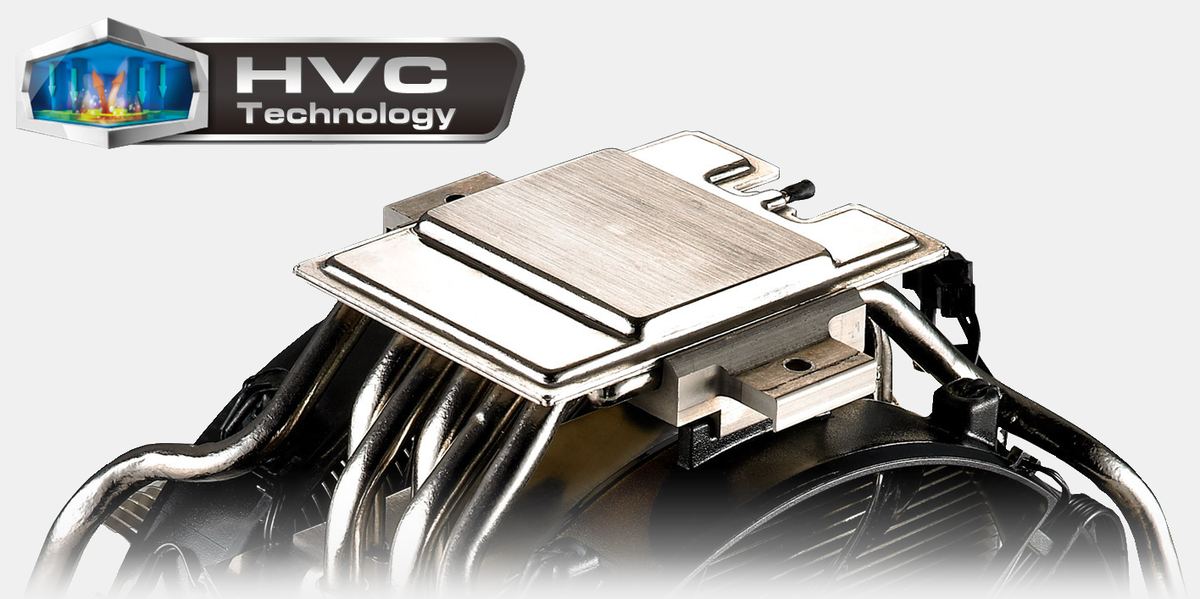
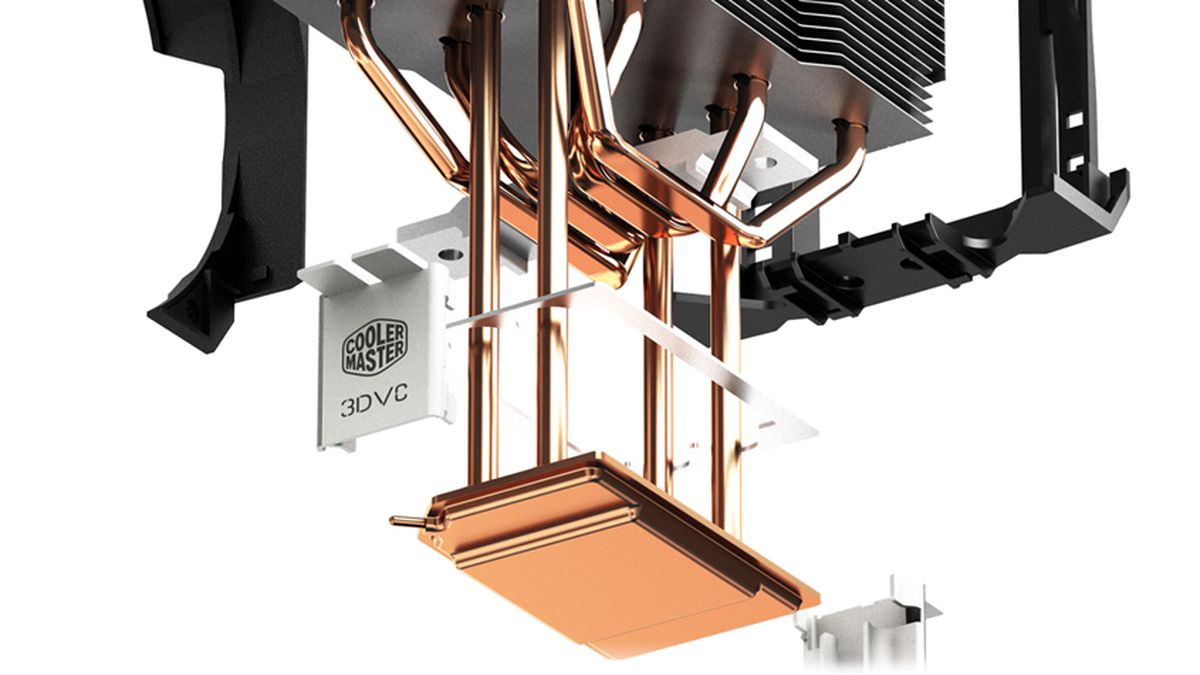
The next leap forward came in 2008 with the release of the Cooler Master V8 GTS, the first CPU cooler to combine a horizontal vapor chamber base with a multi-pipe heat sink.
Why did that matter? Because vapor chambers—flat, pressurized chambers that spread heat evenly across their surface—help solve a core limitation of traditional heat pipes: localized hotspots. By adding a vapor chamber at the base, the V8 GTS ensured that all eight of its heat pipes received consistent thermal input, which meant better overall dissipation.
This integration of vapor chamber + heat pipe set the stage for higher TDP cooling and opened the door for increasingly compact, high-performance air coolers.